Electrical Installation in a Single-Family Home | Complete 2026 Guide
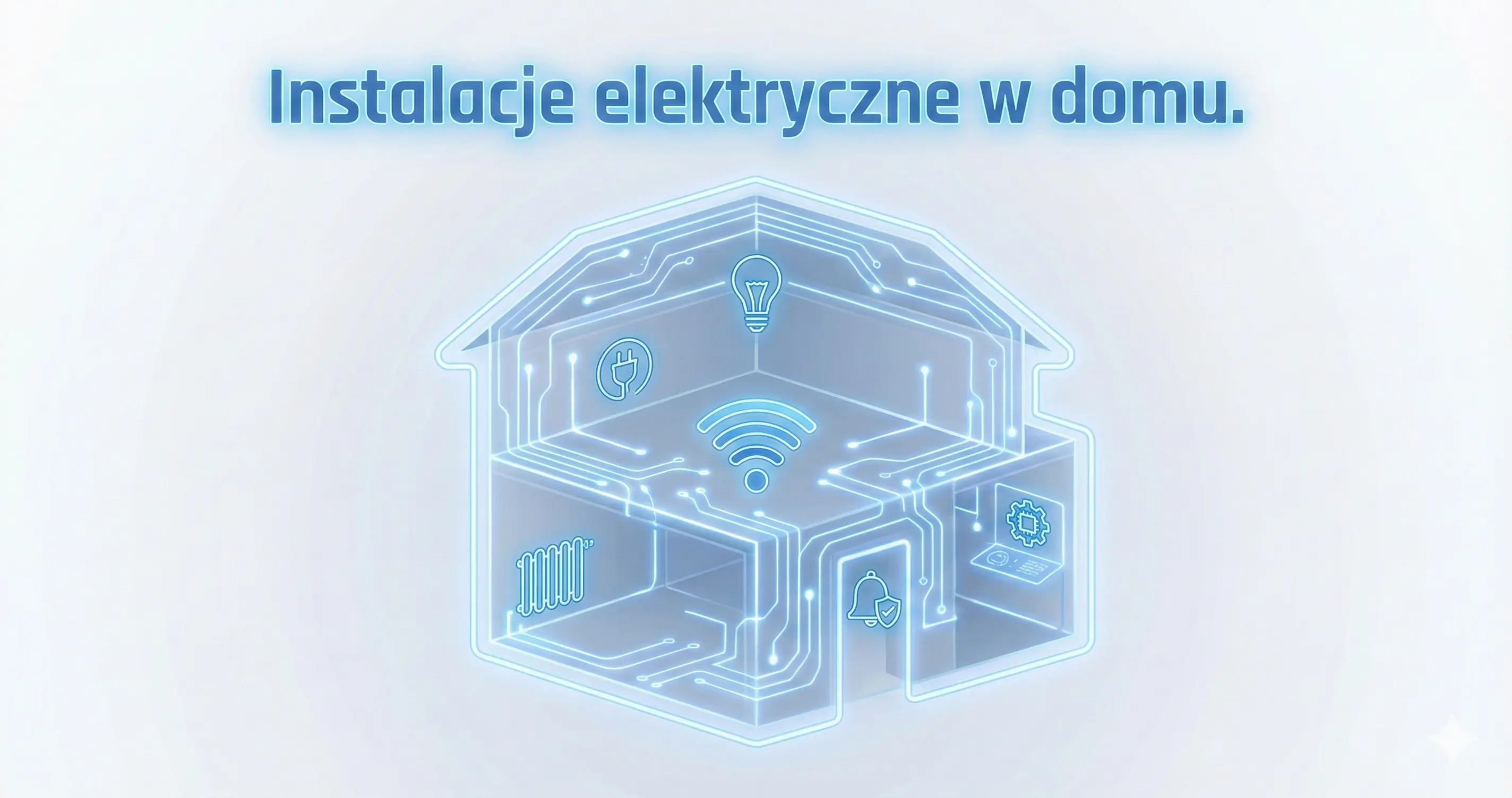
The electrical installation is an invisible but critically important element of every house. A well-designed electrical installation is an investment for decades. It's worth understanding the basic principles before meeting with the electrician.
Key Components of Home Electrical Installation
Main Service Panel
Power flows from the street through the main connection to the service panel. This is where measurement (meter) and main protection are located.
Distribution Board
The internal distribution point divides power into individual circuits. This is where MCBs, RCDs, and surge protectors are located.
Circuits
Each cable run from the distribution board to sockets/lights. A typical house has 15-30 circuits.
Current Standards and Regulations
In most countries, installations must comply with national electrical codes. Key requirements typically include:
- TN-S or TN-C-S earthing system
- Protective equipotential bonding in bathrooms
- RCD protection with ≤30mA for socket circuits
How Many Circuits Does a House Need?
Minimum recommendations:
- Lighting: 1 circuit per floor (more recommended)
- Sockets: 6-8 sockets per circuit
- High-power equipment: Separate circuits for oven, hob, washing machine, dryer, dishwasher, EV charger
- External circuits: Garden, garage, terrace
When designing with Electro Planner, you can quickly plan the right number of circuits for your home. The app suggests the number of circuits based on room area and intended equipment.
Related Guides
Also see: Electrical Installation Software, Electrical Installation Planning and Electrical Installation Cost.
FAQ
How to plan electrical installation in a house?
Planning an electrical installation in Electro Planner takes just minutes. Add rooms, place electrical points on a building floor plan, assign circuits, and the software will automatically select breakers (B10, B16), distribute phases, show the distribution board layout, and generate PDF documentation ready for your electrician.
Want to design your electrical installation?
Try our Electro Planner app and create a professional project in minutes. Avoid mistakes and save time.
Start free project