
Electrical Inspection - What Documents and Tests Are Required?
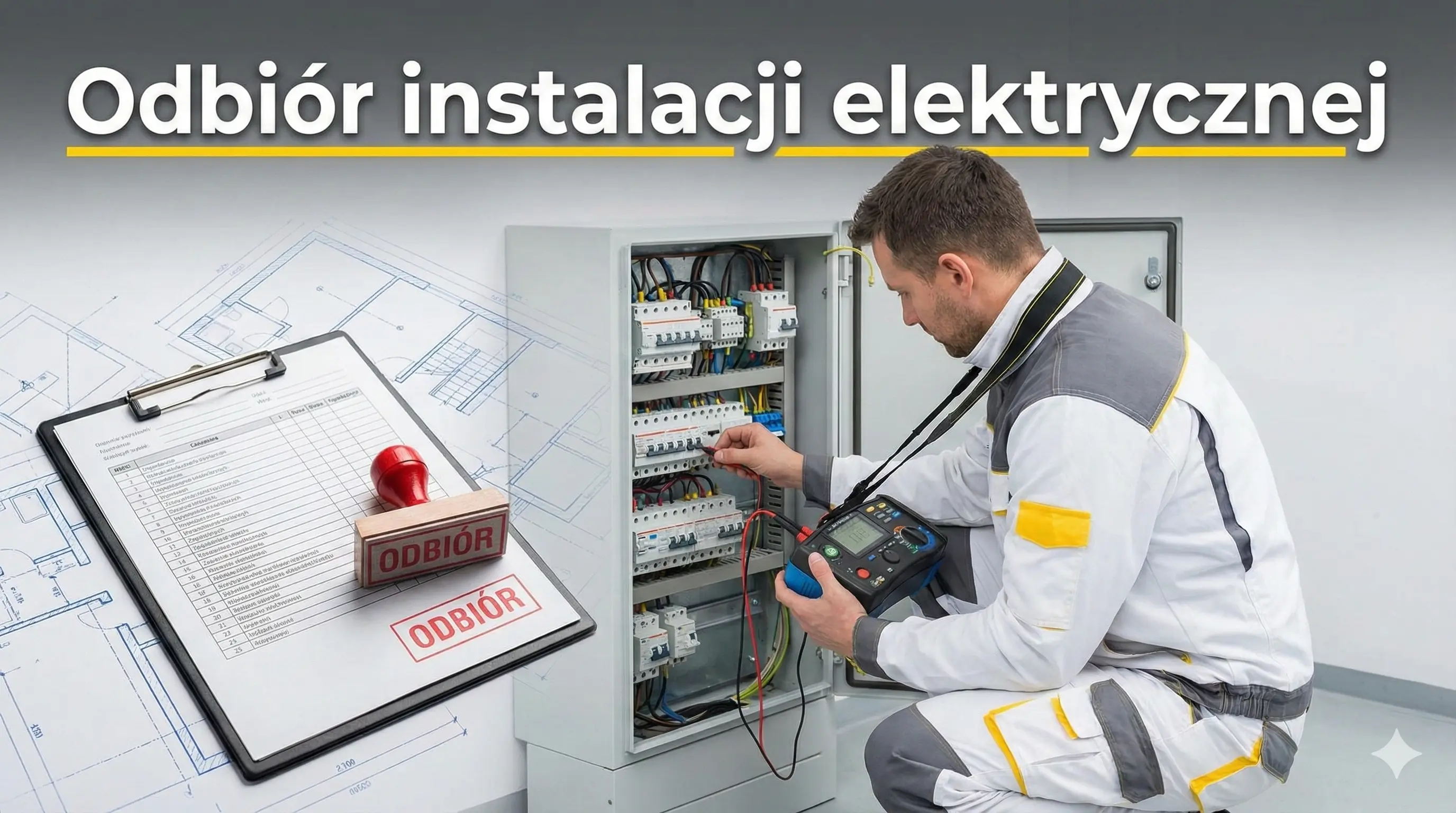
After laying kilometers of cables and installing all the sockets, the final stage arrives – the electrical inspection. Without it, you cannot legally occupy the house or sign a permanent agreement with the power supplier.
Who Performs the Inspection?
The inspection must be carried out by a qualified electrician with valid certifications. This cannot be done by just anyone – proper qualifications and testing equipment are required.
Required Tests
To sign off the installation certificate, the electrician must perform a series of tests:
- Insulation resistance: Checking that cable insulation wasn't damaged during plastering.
- Protective conductor continuity: Ensuring the earth pin in sockets actually provides protection.
- Earth fault loop impedance: Checking that breakers will operate fast enough in case of a fault.
- RCD testing: Verifying that residual current devices trip when current leaks to earth.
As-Built Documentation
Besides the test certificate, the homeowner should receive as-built documentation. This should include floor plans marked with any changes from the original design, plus the distribution board schematic.
With Electro Planner, you can generate a professional, clear installation schematic and distribution board layout that can form part of the as-built documentation. This makes the inspector's job easier and gives you peace of mind for years.
Related Guides
Also see: Electrical Installation Software, Electrical Installation in a Single-Family Home and Electrical Installation Diagram.
Want to design your electrical installation?
Try our Electro Planner app and create a professional project in minutes. Avoid mistakes and save time.
Start free project